
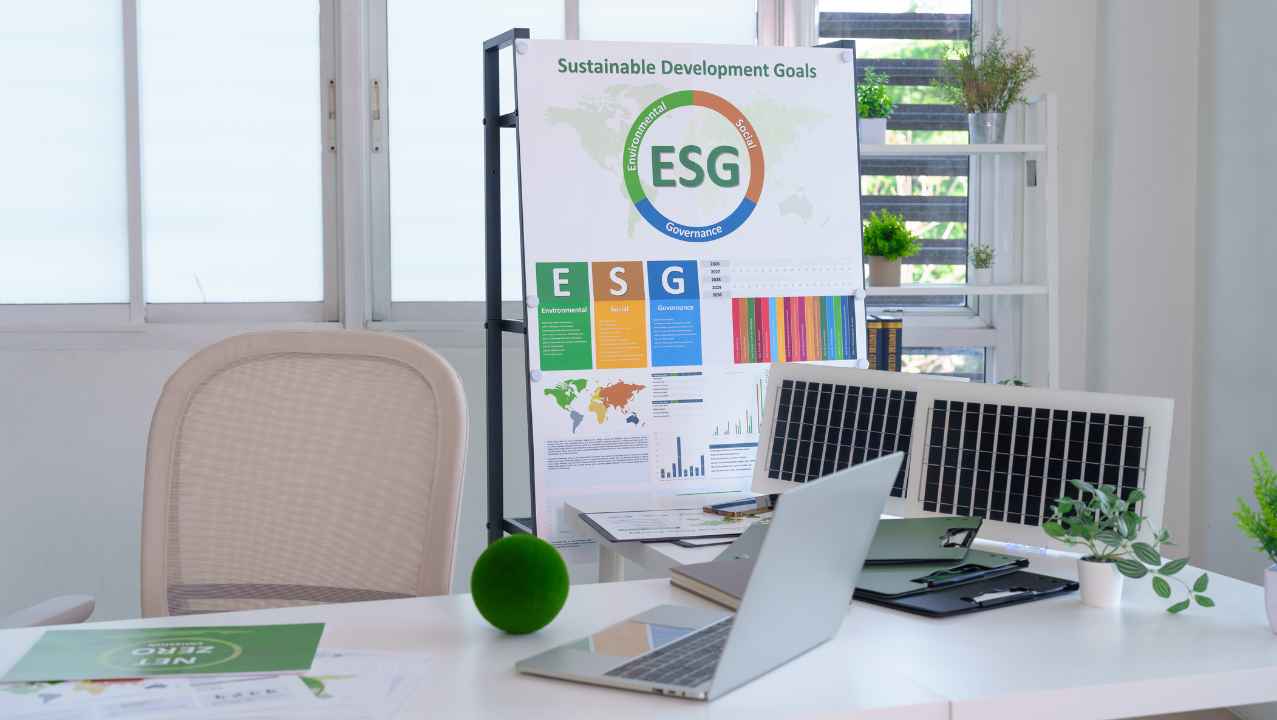
Sustainability reporting has become a core part of responsible business practice. Organisations are increasingly expected to communicate their environmental, social and governance performance in a structured and transparent way. A well prepared sustainability report outlines how a company manages its environmental impact, social responsibilities and governance processes.
Sustainability reporting matters because it builds trust. Investors want to understand risk exposure. Regulators expect compliance with emerging standards. Employees and customers look for credible climate action and ethical conduct. This guide explains how to write sustainability reports in a clear and practical way. It covers structure, core elements, frameworks and best practice so that your organisation can produce meaningful and credible disclosures.
At Brace For Impact, we believe that sustainability reporting should not only demonstrate compliance but also drive long term strategic value.
What Is a Sustainability Report
Defining Sustainability Reporting
A sustainability report is a formal document that communicates a company’s environmental, social and governance performance. It outlines sustainability initiatives, measurable outcomes and future commitments. It acts as a communication tool that explains how the organisation manages ESG impacts and risks.
Unlike financial reporting, which focuses on revenue, profit and assets, sustainability reporting covers non financial performance. It addresses issues such as carbon emissions, energy consumption, workforce wellbeing, diversity, supply chain ethics and governance standards. While financial reports measure economic value, sustainability reports measure broader impact and long term resilience.
Why Organisations Produce Sustainability Reports
Organisations publish sustainability reports for several reasons. First, there is responsibility to stakeholders. Shareholders, customers and regulators expect transparency regarding climate risk, environmental stewardship and social responsibility.
Second, sustainability reporting supports accountability. Public disclosure encourages measurable targets and progress tracking. Third, it strengthens business strategy. Companies that integrate sustainability into core operations are better positioned to manage risk and capture opportunities in a changing market.
Core Elements of a Sustainability Report
Materiality and Stakeholder Importance
Materiality sits at the centre of sustainability reporting. Material sustainability issues are those that significantly affect the organisation and its stakeholders. Identifying these issues ensures that reporting remains focused and relevant.
Conducting a materiality assessment often involves surveys, interviews and stakeholder workshops. The outcome is a prioritised list of topics that should be disclosed and addressed. These may include greenhouse gas emissions, supply chain management, employee wellbeing or data privacy.
Environmental Disclosures
Environmental disclosures form a major section of most sustainability reports. They typically include carbon emissions data, energy usage, water consumption and waste management figures. Clear presentation of environmental metrics helps demonstrate progress against climate commitments.
Organising this information by themes and using consistent measurement methods improves credibility. Companies often report annual trends to show reductions or improvements over time.
Social Performance Reporting
Social performance reporting covers workforce practices and community engagement. This may include diversity statistics, training hours, employee health and safety data and charitable contributions.
Human-centred disclosures demonstrate commitment to fair labour practices and inclusive culture. Transparent reporting on social impact supports trust with employees and local communities.
Governance and Ethical Reporting
Governance reporting explains leadership structure, board oversight and risk management processes. It outlines how decisions are made and how ethical standards are upheld.
Ethical performance indicators may include anti corruption policies, compliance training and whistleblowing procedures. Strong governance disclosures reinforce confidence in long term stability.
Step by Step Guide to Writing Your Report
Prepare and Plan
Begin by gathering sustainability goals and existing performance data. Clarify the purpose of your report and define the target audience. Are you addressing investors, regulators or customers? Clear planning ensures relevance and coherence.
Collect Relevant Data and Metrics
Reliable data collection is essential. Establish systems for measuring carbon emissions, energy consumption and other key indicators. Assign responsibility to internal teams and ensure consistency across departments.
Align metrics with recognised sustainability reporting standards to enhance comparability and transparency.
Create the Reporting Framework
Select an appropriate reporting framework and outline your report structure. Divide sections according to environmental, social and governance pillars. Consistency in structure improves readability and stakeholder confidence.
Draft the Report Narrative
Draft clear descriptions of sustainability initiatives and achievements. Avoid vague statements. Use data to support claims and demonstrate trends. Contextualise performance by explaining challenges and lessons learned.
Include Visuals and Infographics
Charts, graphs and tables make complex data easier to understand. Visual representation of emissions reductions or diversity progress strengthens clarity. Clear design improves engagement.
Review and Edit for Accuracy
Before publication, validate all data and ensure consistency in language and formatting. Cross-check figures and confirm alignment with stakeholder expectations. Independent verification can further enhance credibility.
Choosing the Right Reporting Frameworks and Standards
Global Reporting Initiative (GRI)
The GRI framework provides comprehensive guidelines for sustainability reporting across sectors. It supports transparency and broad ESG disclosure.
Task Force on Climate Related Financial Disclosures (TCFD)
TCFD focuses on climate-related related financial risks and opportunities. It helps organisations communicate how climate change affects strategy and operations.
Sustainability Accounting Standards Board (SASB)
SASB offers industry specific standards. It ensures that sustainability reporting reflects sector specific risks and priorities.
Why Framework Selection Matters
Choosing appropriate frameworks ensures comparability and credibility. It aligns disclosures with stakeholder expectations and regulatory developments. Clear alignment with recognised standards enhances trust and reduces reputational risk.
Common Challenges in Sustainability Reporting
Collecting Reliable Data
Inconsistent data collection methods can undermine credibility. Establishing structured monitoring systems reduces errors and gaps.
Balancing Transparency and Strategy
Organisations may hesitate to disclose challenges. However, candid reporting strengthens authenticity. A balanced approach acknowledges areas for improvement while demonstrating commitment.
Understanding Stakeholder Expectations
Stakeholders vary in their priorities. Engaging regularly through surveys and consultations ensures that reporting reflects genuine concerns.
Best Practices for Effective Reporting
Focus on Material Topics
Concentrate on issues that matter most to the organisation and stakeholders. Avoid unnecessary information that dilutes clarity.
Use Clear and Honest Language
Avoid jargon and exaggerated claims. Transparent language enhances credibility and prevents accusations of greenwashing.
Integrate Sustainability with Business Strategy
Sustainability reporting should reflect strategic integration. Link environmental and social performance to long-term term corporate objectives.
How to Use Reporting Outcomes
Internal Decision Making and Strategy
Insights gained from sustainability reporting can guide operational improvements. Data analysis highlights efficiency opportunities and risk areas.
External Communication
Sharing sustainability reports with investors and partners strengthens transparency. Clear disclosure supports stakeholder confidence and brand reputation.
Benchmarking and Future Targets
Use reporting outcomes to set measurable future targets. Continuous benchmarking encourages progress and accountability.
Conclusion
Learning how to write sustainability reports involves structured planning, accurate data collection and thoughtful communication. A strong sustainability report demonstrates transparency, supports stakeholder trust and reinforces strategic resilience.
Quality sustainability reporting is not a one-time time exercise. It requires continual refinement, stakeholder engagement and alignment with evolving standards. Organisations that commit to transparent and meaningful reporting position themselves for sustainable growth.
At Brace For Impact, we support organisations in transforming sustainability reporting from a compliance exercise into a strategic advantage.
Frequently Asked Questions
What is sustainability reporting in simple terms?
Sustainability reporting is the process of sharing information about a company’s environmental, social and governance performance in a structured report.
How often should a sustainability report be published?
Most organisations publish sustainability reports annually, aligning them with financial reporting cycles.
Is sustainability reporting mandatory?
In some sectors and regions, regulatory requirements apply. Even where not mandatory, many organisations publish reports voluntarily to meet stakeholder expectations.
What are material sustainability issues?
Material issues are the environmental and social topics that significantly affect a company’s operations and stakeholder interests.
How can small businesses approach sustainability reporting?
Start by identifying key impacts and collecting reliable data. Focus on material topics and scale reporting as capacity grows.