
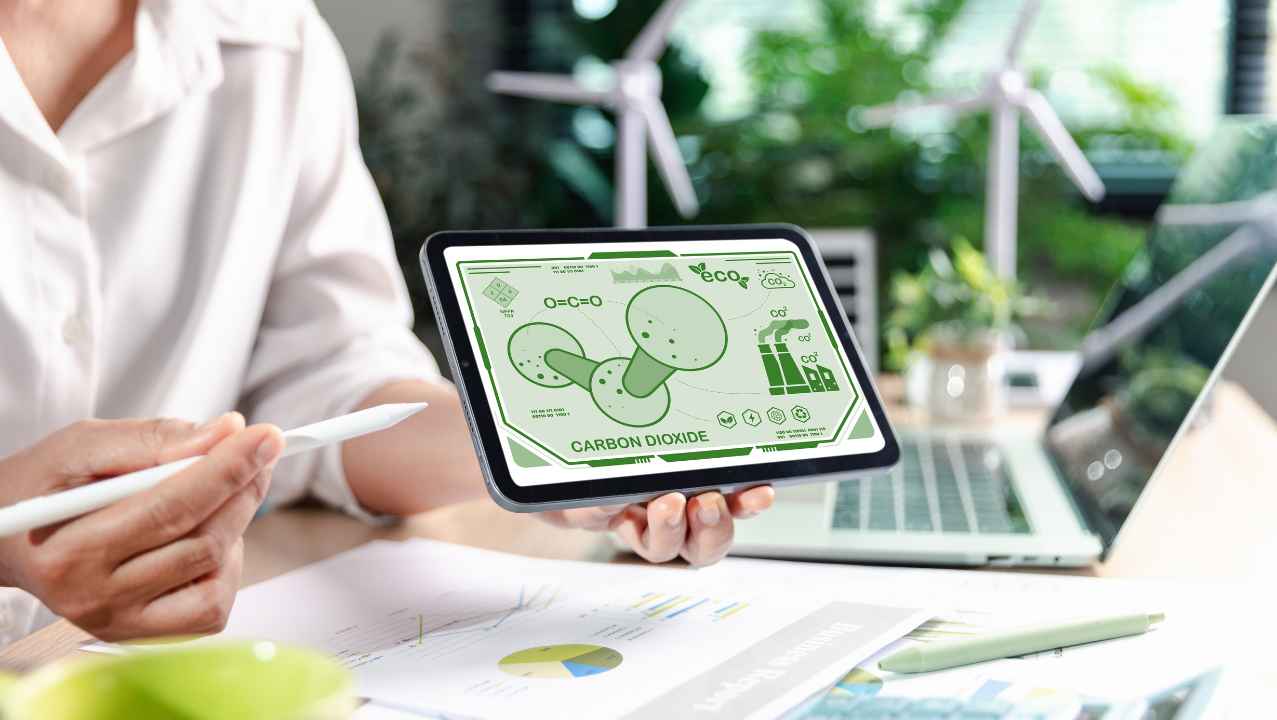
Understanding the top 10 sustainability KPIs businesses should track is essential for organisations aiming to improve environmental and social performance while meeting growing stakeholder expectations. Many businesses collect sustainability data, but without the right key performance indicators, it becomes difficult to measure real impact or demonstrate meaningful progress.
Sustainability KPIs give you a clear view of how your business is performing beyond profit. They help you track environmental impact, monitor resource usage, and align your operations with long term sustainability goals. At Brace For Impact, we support businesses in simplifying sustainability tracking so they can turn complex data into practical, actionable insights.
Introduction to Sustainability KPIs
Sustainability KPIs are measurable values that show how effectively your business is managing its environmental, social, and governance responsibilities. These metrics go beyond traditional performance indicators and focus on areas such as carbon emissions, energy consumption, waste reduction, and ethical practices.
Tracking sustainability KPIs allows businesses to move away from assumptions and towards evidence based decision making. It helps organisations understand where they stand today and what needs to improve to meet both regulatory expectations and customer demands.
They also play a key role in reporting. Whether you are preparing a sustainability report, responding to tenders, or building a sustainability focused brand, having clear KPIs ensures your claims are backed by data.
Why Sustainability KPIs Matter for Business Success
Sustainability is no longer optional. Businesses are increasingly expected to show transparency around their environmental and social impact.
Tracking the right KPIs helps you:
- Measure real impact rather than intentions
- Identify inefficiencies in energy, waste, and resources
- Improve credibility with customers, investors, and stakeholders
- Strengthen your position in tenders and procurement processes
Sustainability KPIs also support long term planning. By monitoring trends over time, businesses can set realistic improvement targets and build strategies that align with both commercial and environmental goals.
The Top 10 Sustainability KPIs Businesses Should Track
1. Carbon Emissions (Scope 1, 2, and 3)
Carbon emissions are one of the most important sustainability metrics. They measure the total greenhouse gases produced by your business activities.
Tracking Scope 1, 2, and 3 emissions gives a complete picture of your environmental impact. It also supports carbon reduction planning and helps businesses meet regulatory and procurement requirements.
2. Energy Consumption
Energy usage reflects how efficiently your business operates. High energy consumption often highlights inefficiencies in processes, equipment, or infrastructure.
Monitoring this KPI helps businesses identify opportunities to reduce energy use, lower costs, and minimise environmental impact.
3. Waste Reduction Rate
Waste management is a key part of sustainability. This KPI measures how much waste your business produces and how effectively it is reduced, reused, or recycled.
Improving waste reduction rates not only benefits the environment but can also reduce operational costs and improve compliance.
4. Water Usage
Water consumption is particularly important for businesses in manufacturing, hospitality, and other resource intensive industries.
Tracking water usage helps identify inefficiencies and supports responsible resource management, especially in regions where water scarcity is a growing concern.
5. Sustainable Sourcing Rate
This KPI measures the percentage of materials or products sourced from sustainable or ethical suppliers.
A strong sustainable sourcing rate demonstrates responsible supply chain management and supports your wider ESG commitments.
6. Carbon Intensity (Per Revenue or Unit)
Carbon intensity measures emissions relative to business output, such as per unit of product or per pound of revenue.
This KPI is useful because it shows efficiency improvements over time, even as your business grows.
7. Employee Sustainability Engagement
Employee engagement in sustainability initiatives reflects how well sustainability is embedded within your organisation.
This can include participation in sustainability programmes, internal initiatives, or training. Engaged employees are more likely to support long term sustainability goals.
8. ESG Compliance and Reporting Progress
This KPI tracks how well your business is meeting sustainability reporting requirements and frameworks.
It is particularly important for businesses involved in public sector tenders or working with larger organisations that require ESG transparency.
9. Customer Perception of Sustainability
Customer perception measures how your audience views your sustainability efforts.
This can be tracked through surveys, reviews, or feedback. A strong perception can influence buying decisions and build long term brand trust.
10. Revenue from Sustainable Products or Services
This KPI measures how much of your income comes from sustainable offerings.
It helps businesses understand how sustainability contributes to growth and where future opportunities may lie.
- Scope 1 and 2 Carbon Emissions Scope 1 covers emissions from sources you own or control, such as company vehicles and on site fuel. Scope 2 covers the emissions linked to the electricity you buy. Together they form the baseline every buyer, bank and framework will ask for first. For most SMEs this is the single most important number to get right.
- Material Scope 3 Emissions Scope 3 covers the emissions in your value chain, from purchased goods and services to business travel, commuting and waste. You do not need to measure all fifteen categories. Focus on the two or three that are material to your business. For a design studio that is usually purchased goods, travel and commuting. For a manufacturer it will look very different.
- Energy Use and Share from Renewables Total energy consumed, split by source. Tracking the percentage from renewable tariffs or on site generation shows direction of travel and answers a question that appears in almost every supplier questionnaire.
- Waste Generated and Diversion from Landfill How much waste your operations produce and what percentage is reused, recycled or recovered rather than sent to landfill. Simple to track, widely asked for, and a good proxy for operational discipline.
- Water Use in Material Operations Relevant where water is part of the product or process. If you are an office based service business, this is not material and saying so clearly is itself a credible answer. Materiality matters more than universal tracking.
- Supply Chain Due Diligence Coverage The percentage of your suppliers, weighted by spend, that you have assessed for environmental, ethical and modern slavery risk. This is more useful and more honest than a vague “sustainable sourcing rate” because it measures what you actually do, not what you aspire to.
- Health, Safety and Wellbeing Performance Lost time incidents, reportable injuries and, where relevant, wellbeing or absence indicators. This is the social KPI that procurement teams consistently ask about and that many SMEs forget to include in sustainability reporting.
- Workforce Diversity and Pay Equity Basic workforce composition and, where you have the data, pay gap indicators. Not every SME will have a statutory gender pay gap to publish, but showing you track and understand your workforce makes social claims credible.
- Governance and Policy Coverage Whether you have current, board approved policies in place for environment, ethics, anti bribery, modern slavery, data protection and equality. Tracked as a simple coverage rate, this is the governance KPI buyers use to separate serious suppliers from the rest.
- Community and Social Value Contribution Volunteering hours, local spend, apprenticeships, charitable contributions or other measurable social value. This is increasingly asked for in public sector bids under the Social Value Model and is often where SMEs under claim because they do not track what they already do.
Growth and Performance in Sustainability
Tracking individual KPIs is important, but understanding the bigger picture is equally valuable.
Sustainability performance should be reviewed alongside business growth. For example, reducing emissions while increasing revenue shows real progress. Similarly, improving efficiency while lowering resource usage demonstrates strong operational performance.
These broader insights help businesses align sustainability with long term commercial success rather than treating it as a separate initiative.
How to Use Sustainability KPIs Effectively
Tracking sustainability KPIs is only useful if they are applied correctly.
Start by setting clear and realistic targets. These should align with your business goals as well as any regulatory or industry expectations.
Regular monitoring is essential. Reviewing KPIs monthly or quarterly allows you to identify trends and respond quickly to changes.
Most importantly, use the data to inform decisions. Sustainability KPIs should guide strategy, not just reporting. Businesses that act on their data are more likely to see meaningful improvements.
Common Mistakes When Tracking Sustainability KPIs
One common mistake is tracking too many metrics. This can make it difficult to focus on what truly matters and can lead to confusion.
Another issue is treating sustainability as a tick box exercise. Collecting data without using it to improve performance limits its value.
Inconsistent tracking can also create problems. KPIs should be measured in a consistent way over time to ensure accurate comparisons.
Avoiding these mistakes helps ensure your sustainability efforts are both effective and credible.
Conclusion
The top 10 sustainability KPIs businesses should track provide a clear framework for measuring environmental and social performance. From carbon emissions and energy usage to employee engagement and sustainable revenue, each KPI plays a role in building a more responsible and resilient business.
By focusing on the right metrics, businesses can improve decision making, strengthen credibility, and align sustainability with long term growth. Consistent tracking and regular review ensure that your data remains useful, relevant, and actionable.
At Brace For Impact, we help businesses turn sustainability data into meaningful insights, supporting clearer communication, stronger reporting, and long term impact.
FAQs
What are sustainability KPIs?
Sustainability KPIs are measurable metrics that track a business’s environmental, social, and governance performance, such as carbon emissions, energy use, and waste reduction.
Why are sustainability KPIs important?
They help businesses measure impact, improve efficiency, and demonstrate transparency to customers, investors, and stakeholders.
How often should sustainability KPIs be tracked?
Most businesses track them monthly or quarterly, depending on the type of metric and reporting requirements.
Can small businesses benefit from sustainability KPIs?
Yes, sustainability KPIs help businesses of all sizes improve efficiency, reduce costs, and build credibility.
What is the most important sustainability KPI?
Carbon emissions are often considered the most important, as they provide a clear measure of environmental impact and are widely used in reporting and compliance.